Leasing vs. Buying: Which Is Right for You?
If you are choosing between leasing and buying a car, the right answer usually comes down to how you drive, how long you want to keep the vehicle, and what kind of monthly budget feels comfortable. Both paths can work well. They just solve different problems.
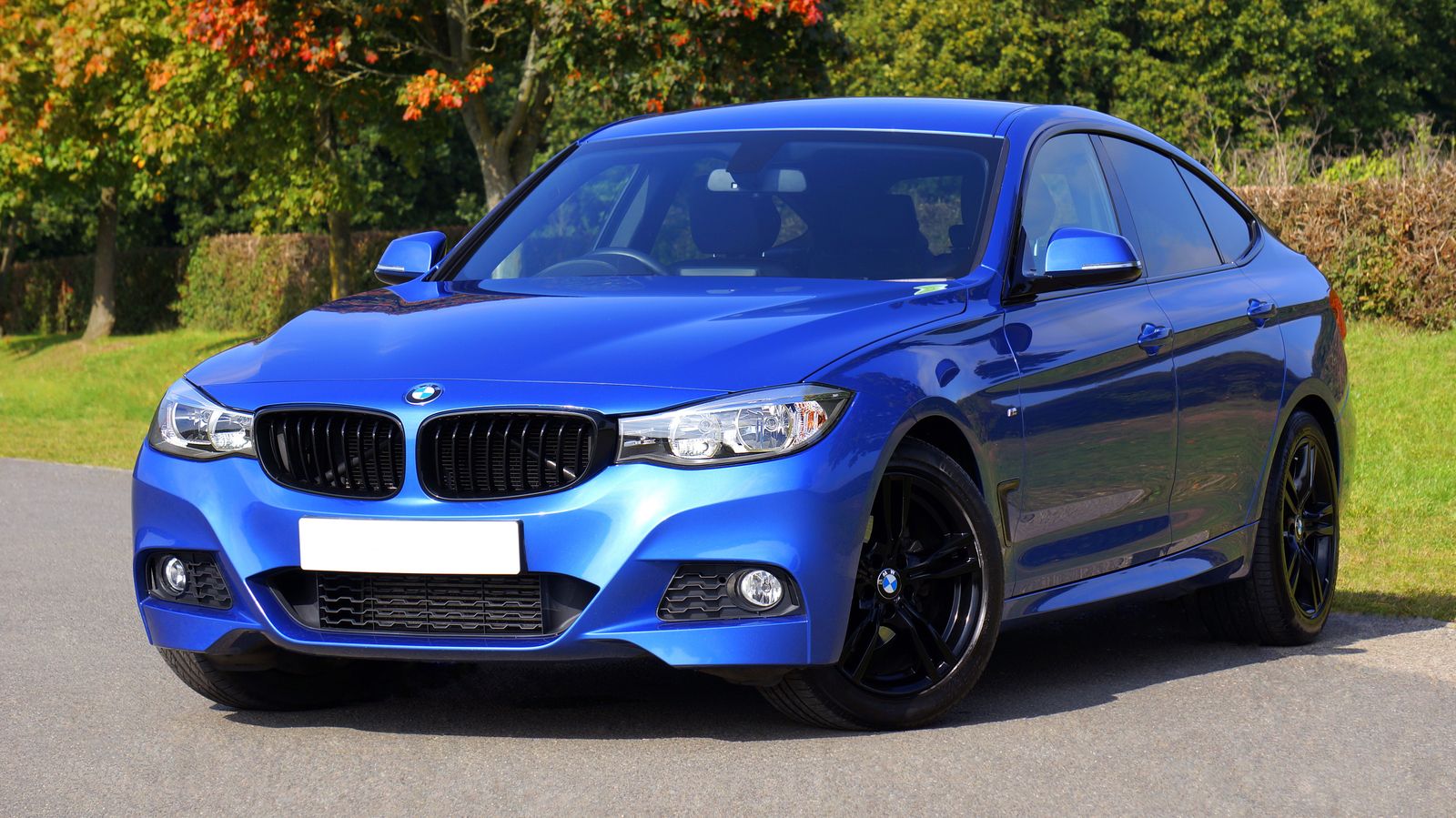
Overview of leasing
Leasing a car is a long-term rental agreement. You pay to use the vehicle for a set period, often two to four years, and you agree to terms such as mileage limits and normal wear standards. At the end of the lease, you usually return the car, renew into a new lease, or sometimes buy the vehicle if the contract allows it.
Many drivers like leasing because the upfront cost is often lower than buying, and monthly payments are usually lower too. That can make it easier to drive a newer vehicle without taking on the full cost of ownership. If you want a broader overview of lease basics, the blog archive has more articles on how leasing works.
For a neutral definition of leasing and finance terms, the vehicle lease overview on Wikipedia is a useful starting point. For a consumer-focused explanation of auto financing tradeoffs, the Consumer Financial Protection Bureau offers a plain-language guide.
Overview of buying
Buying a car means you are paying toward ownership, either in cash or through an auto loan. Once the loan is paid off, the car is yours. You can keep it, sell it, trade it in, or drive it without worrying about lease-end rules.
Buying often makes sense for drivers who keep vehicles for many years, drive more than average, or want complete control over mileage and customization. The tradeoff is that buying usually requires a larger down payment or a higher monthly payment than leasing, especially early on.
If you are comparing ownership costs, the leasing services page can help frame what lease customers often give up and what they gain. For a broad look at car buying and financing basics, Edmunds has a helpful buying checklist.
Cost comparison
The cost gap between leasing and buying is often clearest in the first few years. Leasing usually asks for less cash upfront and lower monthly payments. Buying generally costs more each month at first, but that money builds toward ownership.
| Factor | Leasing | Buying |
|---|---|---|
| Upfront cost | Often lower, though due at signing can still include fees and deposits | Usually higher, especially with a down payment |
| Monthly payment | Usually lower | Usually higher at first |
| Maintenance | May be partly covered by warranty during the lease term | Owner pays as needed after warranty periods |
| Insurance | Can be similar or slightly higher depending on lease requirements | Can vary widely by vehicle and lender |
| End result | No ownership unless you buy the car later | You own the car outright once the loan is paid |
That lower payment can be very appealing, especially if you want a newer car and predictable expenses. But the question is not just “what is cheaper each month?” It is “what do I get at the end?”
For a clear consumer side-by-side on lease and loan payments, Kelley Blue Book is a practical reference, and Consumer Reports breaks down where each option tends to fit best.
Long-term value analysis
Buying can be stronger for long-term value because the vehicle becomes an asset once the loan is paid off. You are still dealing with depreciation, which is simply the way most cars lose value over time, but you also gain equity if the car is worth more than what you owe.
Leasing shifts the depreciation risk to the leasing company, which is part of why monthly costs can stay lower. The tradeoff is that you are paying for access rather than ownership. When the lease ends, you usually walk away with no vehicle value to show for the payments unless you choose to purchase it.
If you like the idea of changing cars every few years, leasing can be a neat fit. If you prefer to keep a vehicle for a long time, buying often rewards patience. The question is not which option is universally better; it is which one fits the shape of your life right now.
Personal circumstances to consider
Before you decide, it helps to think through a few everyday realities:
- Driving habits: If you drive long distances or put heavy miles on a car, buying may be simpler because leases usually include mileage limits.
- Budget comfort: If a lower monthly payment would make your budget breathe easier, leasing may feel more manageable.
- Future plans: If your job, family size, or commute may change soon, flexibility can matter more than ownership.
- Long-term goals: If you want to keep a vehicle for many years and reduce payments over time, buying often has the edge.
There is also a practical middle ground: some drivers lease when they know they want a newer car and then later switch to buying when their needs settle down. That is not indecision. That is a perfectly sensible way to match the car to the season of life.
A simple way to choose
Leasing may be the better fit if you want lower upfront costs, smaller monthly payments, and the chance to drive a newer vehicle every few years. Buying may be the better fit if you want ownership, more freedom, and the possibility of long-term savings after the loan is paid off.
If you are still weighing the numbers, a conversation with a leasing specialist can help you compare real scenarios instead of guessing. You can also contact us to talk through your situation and ask for a personalized starting point.
Whichever path you choose, the goal is the same: a car decision that supports your life instead of complicating it.